
Joinery Lead Times on Large Projects: How to Plan It Right
Few things frustrate a builder more than joinery turning up as the last item holding up practical completion. In most cases, the joinery itself isn't the problem. The problem is that its lead time was never properly built into the program.
Custom joinery isn't an off-the-shelf product. It moves through several stages before a single cabinet reaches site, and on a large project each of those stages needs runway.
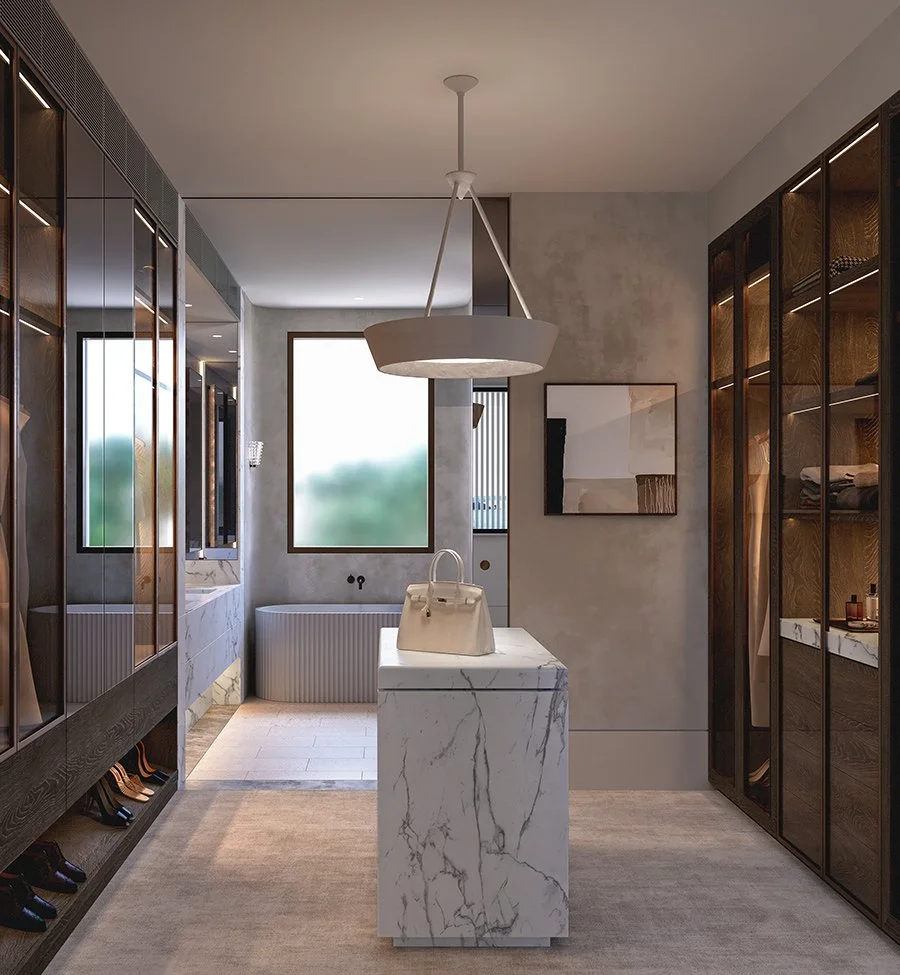
What Actually Happens Between "Go" and Installation
1. Final specification and sign-off. Finishes, hardware, dimensions, and details all need to be confirmed. Delays here are the single most common reason joinery programs slip, because everything downstream depends on it.
2. Site measurement and shop drawings. Joinery is made to fit what's actually built, not just what was drawn. Shop drawings are prepared from confirmed site dimensions and signed off before manufacturing begins.
3. Material procurement. Specialty veneers, stone, imported hardware, and custom finishes can carry their own lead times, which sit outside the joiner's control.
4. Manufacturing. Production time depends on the scope, the complexity of the detailing, and how much other work is in the factory at the same time.
5. Delivery and installation. Sequenced around other trades and access on site, particularly on multi-level or multi-unit projects with staged handovers.
Where Programs Usually Go Wrong
Joinery is engaged late. Starting the process after the build is well underway compresses every stage above.
Specification changes after sign-off. Late changes to finishes or layouts can restart procurement or manufacturing.
Site measure happens before the site is ready. Measuring before wall linings, tiling, or services are finalised risks inaccurate dimensions and rework.
Optimistic lead times at tender. A quote that promises an unrealistically short timeframe often unravels once the real constraints appear.
How Builders Can Protect the Program
Ask for lead times in writing, broken down by stage, not just a single "X weeks" figure.
Lock specifications as early as possible, and agree a clear cut-off for changes.
Flag long-lead materials at the start, so they can be ordered while other stages are still progressing.
Agree a site measure window that sits after the relevant trades but well before the manufacturing slot is needed.
Check factory capacity, not just the quoted lead time. A joiner with a full workshop will struggle to hold to a timeline regardless of intent.
The Takeaway
Joinery rarely causes delays on its own. Delays come from late engagement, unclear specifications, and lead times that were never realistic to begin with. Treat joinery as a program item with its own critical path, and it stops being the thing that holds up handover.
If you're planning the program for an upcoming project and want realistic joinery lead times to build into it, we'd be glad to walk through your scope and timeline with you.

📩 Contact us to request a joinery proposal or explore our past projects.
Thank you for reading - Digital Marketing Team