
Defects are expensive on any project. On a multi-unit development, a small issue repeated across dozens of units becomes a major cost, a handover delay, and a reputation risk. The good news is that most joinery defects are predictable, and most are preventable.
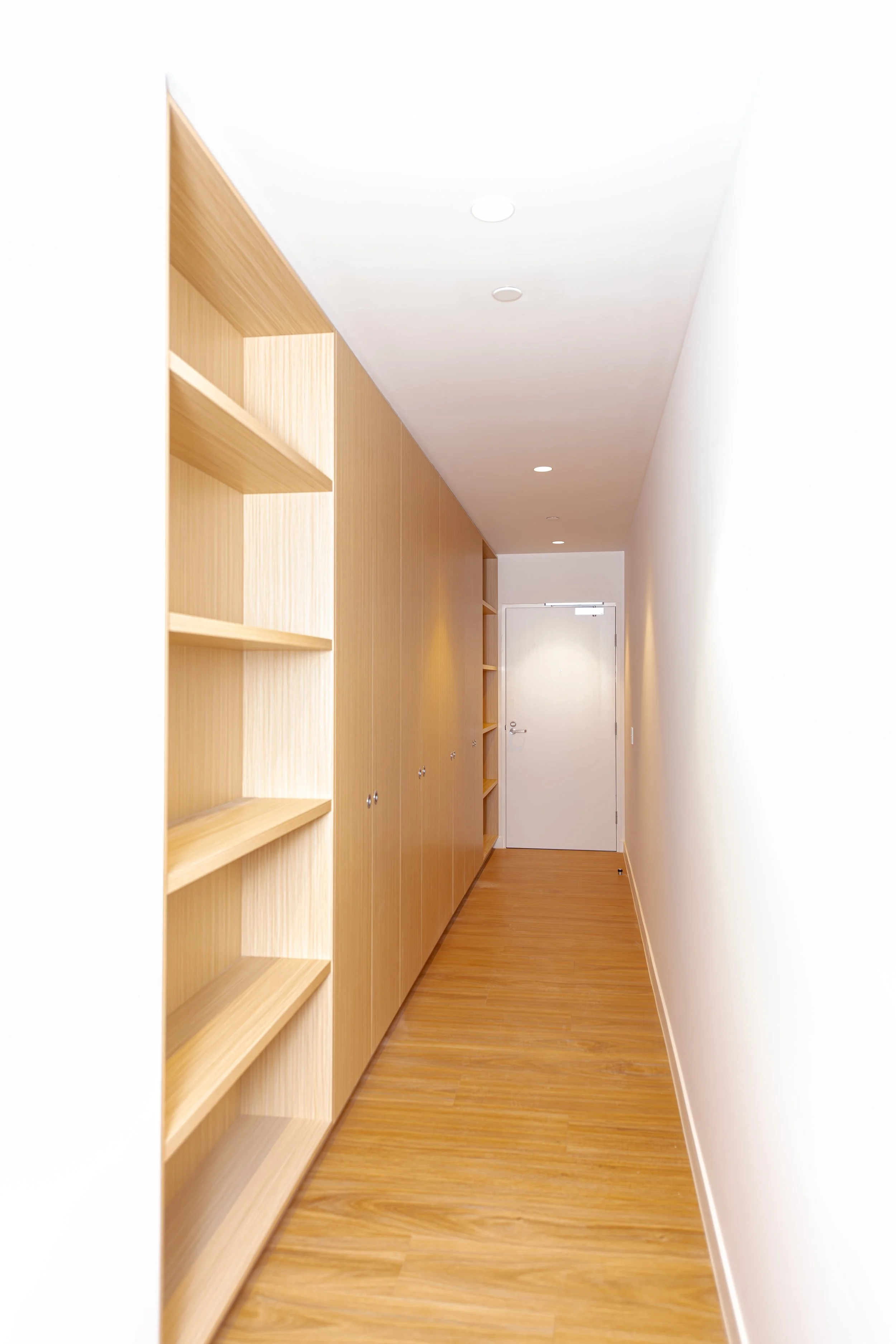
The Most Common Joinery Defects
Alignment and gaps. Doors and drawer fronts that don't sit flush, uneven gaps, or panels that drift out of line. These are among the first things a buyer or inspector notices.
Finish issues. Chips, scratches, colour variation between panels, and uneven edges. Many of these happen after manufacturing, during transport and site handling.
Hardware faults. Hinges needing adjustment, drawers that catch or don't close properly, and soft-close mechanisms that fail early.
Fit problems at the wall and ceiling. Gaps or awkward junctions where joinery meets other trades' work, often caused by measuring before the building was finished.
Moisture damage. Swelling or delamination around sinks, dishwashers, and wet areas, usually from poor sealing, edge detailing, or material choice.
Damage by other trades. On a busy site, finished joinery is exposed to dust, knocks, and spills long before handover.
Why They Happen
Most of these trace back to a handful of root causes:
Measuring before the site is ready, then manufacturing to inaccurate dimensions
Unclear or changing specifications
Inconsistent quality control during manufacturing or installation
Rushed installation on a compressed program
Inadequate protection of finished work on site
How to Prevent Them
Measure late, but not too late. Site measure after the relevant trades have finished, with enough time left to manufacture accurately.
Lock the specification. Clear, agreed specifications and a defined change process reduce the errors that creep in when details shift.
Check quality at every stage. Shop drawing sign-off, in-factory inspection, and pre-installation checks catch problems when they're cheap to fix, rather than after installation.
Protect finished joinery. Agree protection measures on site, and sequence installation so joinery isn't exposed to other trades longer than necessary.
Allow time for adjustment and a final pass. Hinges and drawers settle, and a scheduled adjustment and touch-up visit before handover catches the small issues before the buyer does.
Inspect against a checklist. A consistent inspection checklist used unit by unit makes defects visible early and keeps standards consistent from the first unit to the last.
The Takeaway
Joinery defects are rarely random. They come from rushed processes, unclear specifications, and quality checks that happen too late. Builders and developers who build prevention into the process, from measurement through to a final pre-handover inspection, spend far less on remediation and hand over a better finished product.
If you'd like to talk through how quality control and defect prevention would work on your next project, we'd welcome the conversation.

📩 Contact us to request a joinery proposal or explore our past projects.
Thank you for reading - Digital Marketing Team