
Bespoke Joinery in Brisbane: What to Expect from a Premium Supplier
Brisbane's residential market has changed significantly over the past five years. What was once a market defined by relatively modest interior expectations has shifted decisively — driven by interstate migration, rising apartment values, and a maturing appetite for design quality among buyers and homeowners alike.
The demand for bespoke joinery in Brisbane has followed that shift. Architects and developers are specifying at a level previously more associated with Melbourne or Sydney. Homeowners are investing more seriously in their spaces. And the expectation of what a joinery supplier should deliver — in terms of design capability, finish quality, and service — has risen accordingly.
This guide is for Brisbane homeowners, architects, and developers who want to understand what to expect from a premium bespoke joinery supplier — and how to tell the difference between genuine quality and the appearance of it.
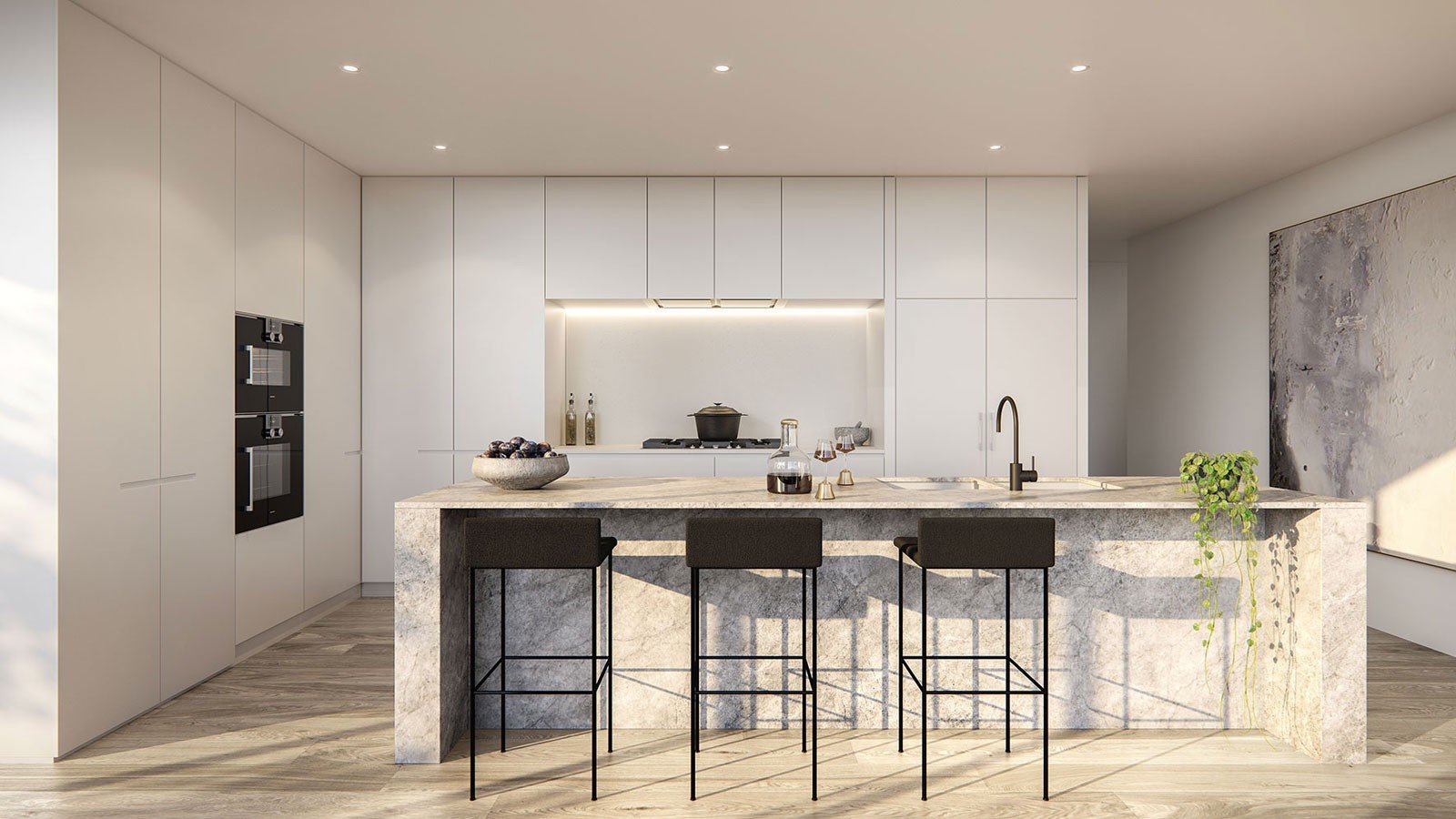
The Rushcutters Display
What "bespoke" actually means in a joinery context
The word bespoke is used freely in the joinery industry, but it has a specific meaning that is worth understanding before you begin a project.
Truly bespoke joinery is designed and manufactured to the exact dimensions, materials, and details specified for a particular project — not adapted from a standard range of sizes or door profiles. It begins with a blank page, not a catalogue. The design is developed in response to the space, the architecture, and the client's vision — not constrained by what the factory already produces.
In practice, this means a bespoke joinery supplier should be able to make a door in any size, a drawer box in any depth, a panel in any finish, and a detail in any profile that is structurally achievable and aesthetically appropriate. They should be asking questions about your space, your lifestyle, and your aesthetic intentions — not showing you a brochure of standard options.
What to expect from the design process
A premium bespoke joinery process begins with a design consultation — ideally on site, in the space where the joinery will be installed. Your supplier should be measuring the space themselves, understanding how it connects to adjacent areas, and developing a design that responds to the specific conditions of your home.
The design development phase should produce detailed drawings — elevations, sections, and material schedules — that give you a clear picture of what will be built before manufacturing begins. You should have the opportunity to review and approve these drawings, request changes, and see material samples in your actual space before any commitment to manufacturing.
A supplier who rushes through this phase, or who moves to pricing before the design is properly resolved, is likely to produce a result that misses the mark in ways that are expensive to remedy.
What to look for in finish quality
The finish quality of bespoke joinery is determined by three things: the quality of the material itself, the quality of the manufacturing process, and the quality of the installation. All three need to be right.
Ask your prospective supplier to show you completed projects — in person if possible, or through a portfolio with specific details visible. Look at how doors and drawers are aligned. Look at the gap lines between adjacent doors. Look at how the joinery meets the walls, floor, and ceiling — is the scribing tight, or are there visible gaps? Look at the hardware — does it operate smoothly and consistently?
These details are the difference between joinery that looks good in a photograph and joinery that looks good in real life, every day.
Brisbane-specific considerations
Brisbane's subtropical climate creates some specific considerations for joinery specification that suppliers from cooler climates may not be as attuned to.
Humidity variation between seasons is more significant in Brisbane than in Melbourne or Sydney — and this affects timber-based materials including veneer and solid timber profiles. A bespoke joinery supplier working in Brisbane should be specifying materials and construction methods that account for this, including appropriate substrate selection, edge sealing, and finish systems that accommodate movement.
Outdoor and alfresco joinery — increasingly common in Brisbane's architecture — requires specialist specification. Materials, hardware, and finishes for external applications have to meet a significantly higher durability standard than internal joinery.
How Creador delivers bespoke joinery in Brisbane
Creador's Brisbane operations bring the same design capability, manufacturing standards, and installation precision that we have delivered across Melbourne and Sydney projects for over a decade. We work with Brisbane homeowners, architects, and developers who want joinery that is genuinely bespoke — designed for their project, manufactured to our exacting standards, and installed by a team that treats every detail as intentional.
Whether you're renovating a Queenslander, fitting out a new build in Bulimba, or specifying joinery for a boutique apartment development in South Brisbane, we'd love to hear about your project.

📩 Contact us to request a joinery proposal or explore our past projects.
Thank you for reading - Digital Marketing Team