
Why Developers Are Bringing Joinery Specialists in at the Design Stage, Not After
For years, joinery has been treated as one of the last dominoes to fall in a development program. Architects finalise the design, builders lock in the program, and joinery gets briefed once floor plans are all but signed off. On a single dwelling, that sequence is inconvenient. On a multi-residential or luxury development, it's expensive.
More developers are now flipping that order — bringing a joinery partner into the conversation at concept and design development stage, alongside the architect and builder, rather than after. Here's why that shift is happening, and what it means for the outcome of a project.
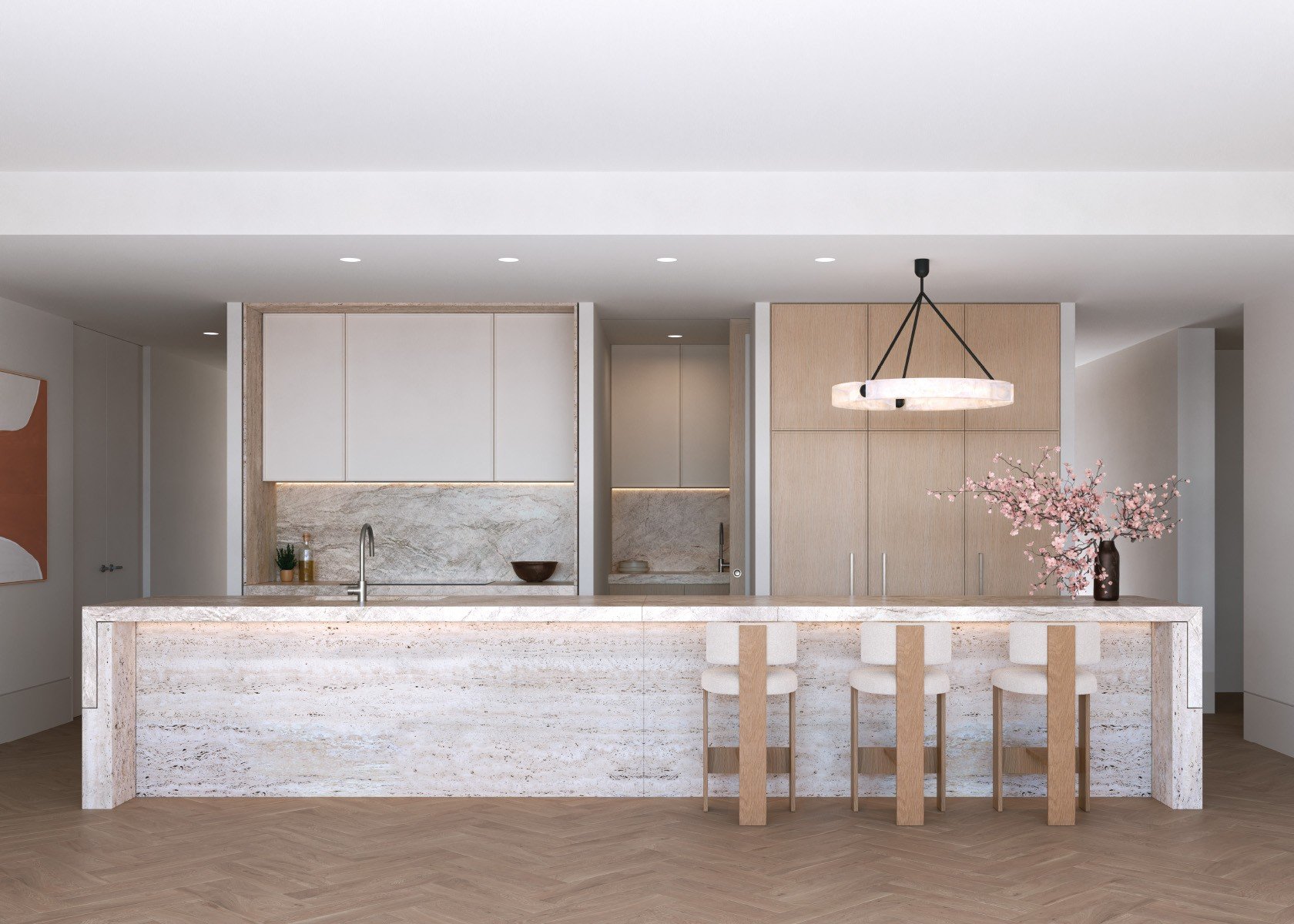
The Problem With Joinery as an Afterthought
When joinery is scoped late, three things tend to happen:
Design intent gets compromised. Architects draw beautiful kitchens, wardrobes, and built-in cabinetry without always knowing what's achievable within budget, lead time, or structural constraints. By the time a joinery specialist is brought in, changes mean redrawing, reapproving, and re-costing — or the design gets quietly watered down to fit what's feasible.
Costing becomes guesswork. Builders and quantity surveyors often allow a joinery allowance based on rough benchmarks rather than an actual quote. On a 40-unit development, a 15% variance between the allowance and the real cost isn't a rounding error — it's a budget event.
Program risk increases. Custom joinery has lead times. If it's not factored into the master program until late, it becomes the item holding up practical completion, not because the joinery itself is slow, but because it was never given the runway it needed.
What Changes When Joinery Is Involved Early
When a joinery specialist is at the table during design development, the dynamic changes in a few concrete ways:
Design and buildability move together. Cabinetry details, benchtop specifications, and fit-out finishes are considered as the drawings are being developed, not reverse-engineered from them. This means fewer surprises and fewer redesigns.
Costing is accurate from the start. Instead of a placeholder allowance, developers get a genuine cost based on real specifications, giving finance and feasibility studies a solid number to work from rather than a hopeful one.
Lead times are built into the program, not fought against. Long-lead materials, custom finishes, and manufacturing schedules can be sequenced properly against the build program instead of becoming the reason handover slips.
Consistency is easier to protect across multiple units. On a development with repeat dwelling types, early joinery involvement means finishes, hardware, and detailing can be standardised without looking cookie-cutter — protecting both cost and the design vision across every unit.
What This Looks Like in Practice
On a well-run project, a joinery partner typically gets involved once the architectural concept is locked but before design development drawings are finalised. At that point they can:
Review kitchen, bathroom, wardrobe, and built-in joinery details for buildability and cost accuracy
Advise on material and finish selections that balance the design brief against budget and durability
Flag long-lead items early so they're sequenced into the master program
Provide a firm quote that finance, feasibility, and the builder can rely on
The result isn't just a smoother build — it's a development that actually delivers the finish quality that was promised in the marketing render, on the budget that was modelled in the feasibility study.
The Takeaway for Developers
Joinery is one of the most visible, tactile parts of any dwelling — it's what buyers touch, open, and judge quality by. Treating it as a late-stage trade package rather than a design partner is a false economy. Developers who bring joinery specialists in early aren't adding a step to their process. They're removing risk from every step that follows.
If you're planning a multi-residential or luxury development and want joinery input at the design stage rather than after the fact, we'd welcome the conversation early — that's exactly when it's most valuable.

📩 Contact us to request a joinery proposal or explore our past projects.
Thank you for reading - Digital Marketing Team