
Custom Joinery for Melbourne's Multi-Residential Boom: What Developers Need to Know
Melbourne's multi-residential pipeline has kept moving through inner-city infill sites, middle-ring townhouse projects, and large apartment developments across growth corridors. For developers running these projects, joinery is rarely the headline decision — but it's one of the ones most likely to affect buyer perception, budget accuracy, and program risk if it's not sourced properly.
Here's what matters when specifying joinery for a Melbourne multi-residential project right now.
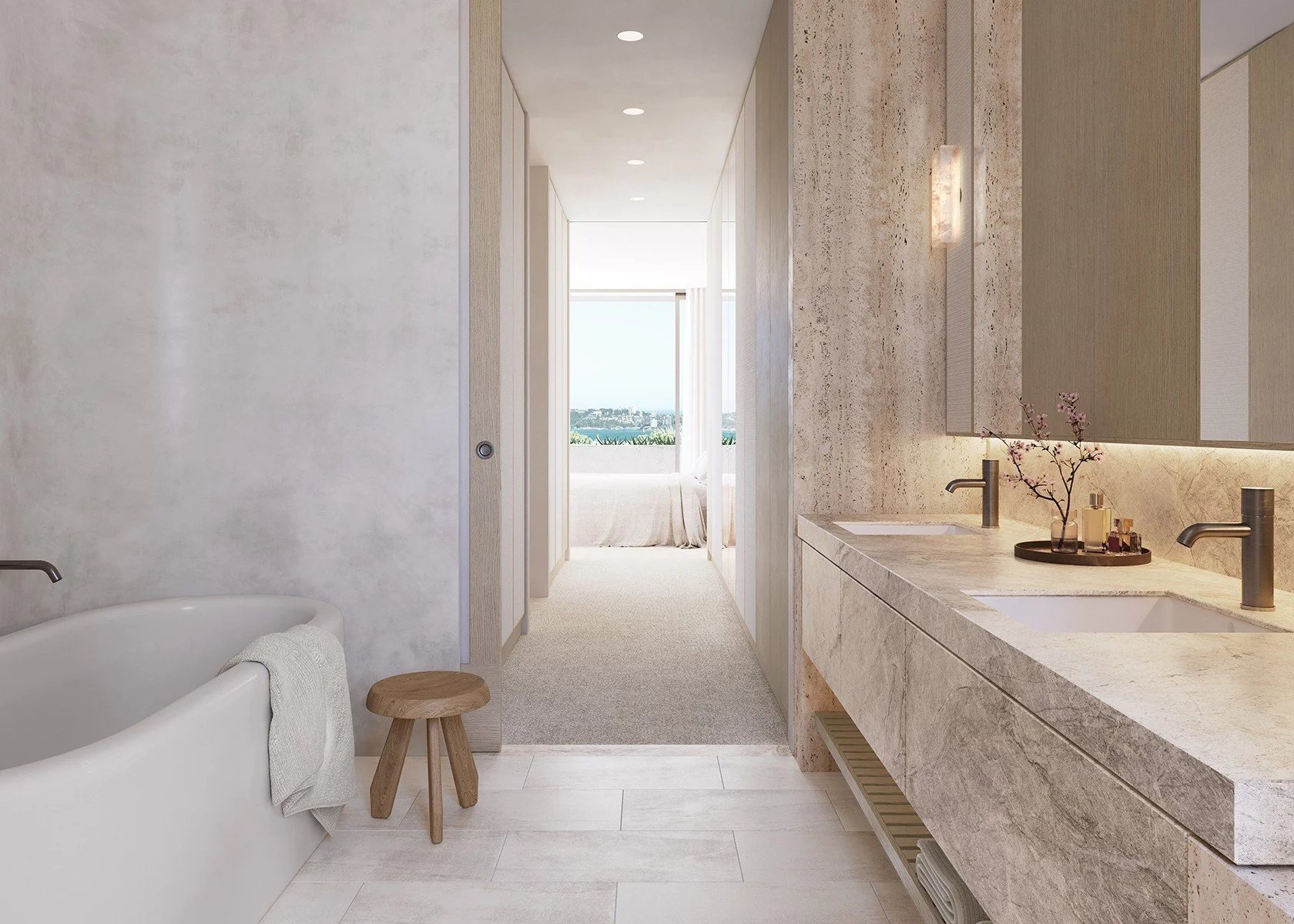
Melbourne's Market Means Joinery Has to Do More Work
In a market where buyers are comparing multiple similar developments within the same suburb — or even the same street — finish quality is one of the fastest ways a project stands apart. Melbourne buyers, particularly in the inner and middle-ring suburbs, have become more discerning about kitchen and wardrobe finishes as apartment stock has increased. Generic, volume-supplier cabinetry reads as generic; well-detailed custom joinery reads as quality throughout, even in parts of the build the buyer never inspects directly.
What Melbourne Developers Should Be Asking Joinery Partners
Can you deliver consistent quality across the full unit count? Melbourne developments range from boutique 10–20 unit projects to large-scale builds well into the hundreds. A joinery partner needs manufacturing capacity and a documented specification process that holds up regardless of scale — not just good work on a display suite unit.
Do you understand Melbourne's compliance requirements? Fire-rating requirements for apartment joinery, and specific considerations for properties in bushfire-prone outer areas or heritage overlay zones in the inner suburbs, all affect what can be specified and how it needs to be documented. A joinery partner unfamiliar with these requirements creates risk at certification stage.
Can your lead times fit our program? Melbourne's construction sector has seen program pressure from trade availability and material lead times in recent years. A joinery partner who gives you an accurate, program-realistic lead time — and holds to it — protects your handover date.
Positioning Joinery as a Point of Difference
In a competitive Melbourne market, developers increasingly use joinery and finish quality as a marketing point in their own right — display suite photography, sales collateral, and even off-the-plan marketing frequently lead with kitchen and wardrobe detailing. Getting this right isn't just a build-quality consideration; it's a sales tool.
The Takeaway
Melbourne's multi-residential sector rewards developments that get the visible details right, at a scale that doesn't compromise on consistency. If you're planning a project — whether a boutique inner-suburb development or a large-scale build in a growth corridor — sourcing joinery from a partner who understands both Melbourne's market expectations and its compliance landscape is worth the extra diligence up front.
If you're scoping joinery for an upcoming Melbourne development, we'd welcome a conversation about your project's scale, location, and program.

📩 Contact us to request a joinery proposal or explore our past projects.
Thank you for reading - Digital Marketing Team