
What to Look for in a Joinery Partner for Large-Scale Projects
Choosing a joinery subcontractor for a single job is relatively low-risk — if something goes wrong, the exposure is contained. Choosing one for a large residential or commercial project is a different decision entirely. A joinery partner who can't keep pace with your program, your quality bar, or your site coordination needs won't just deliver a disappointing kitchen — they can hold up practical completion on an entire building.
Here's what actually matters when vetting a joinery partner for a large-scale project, from a builder's perspective.
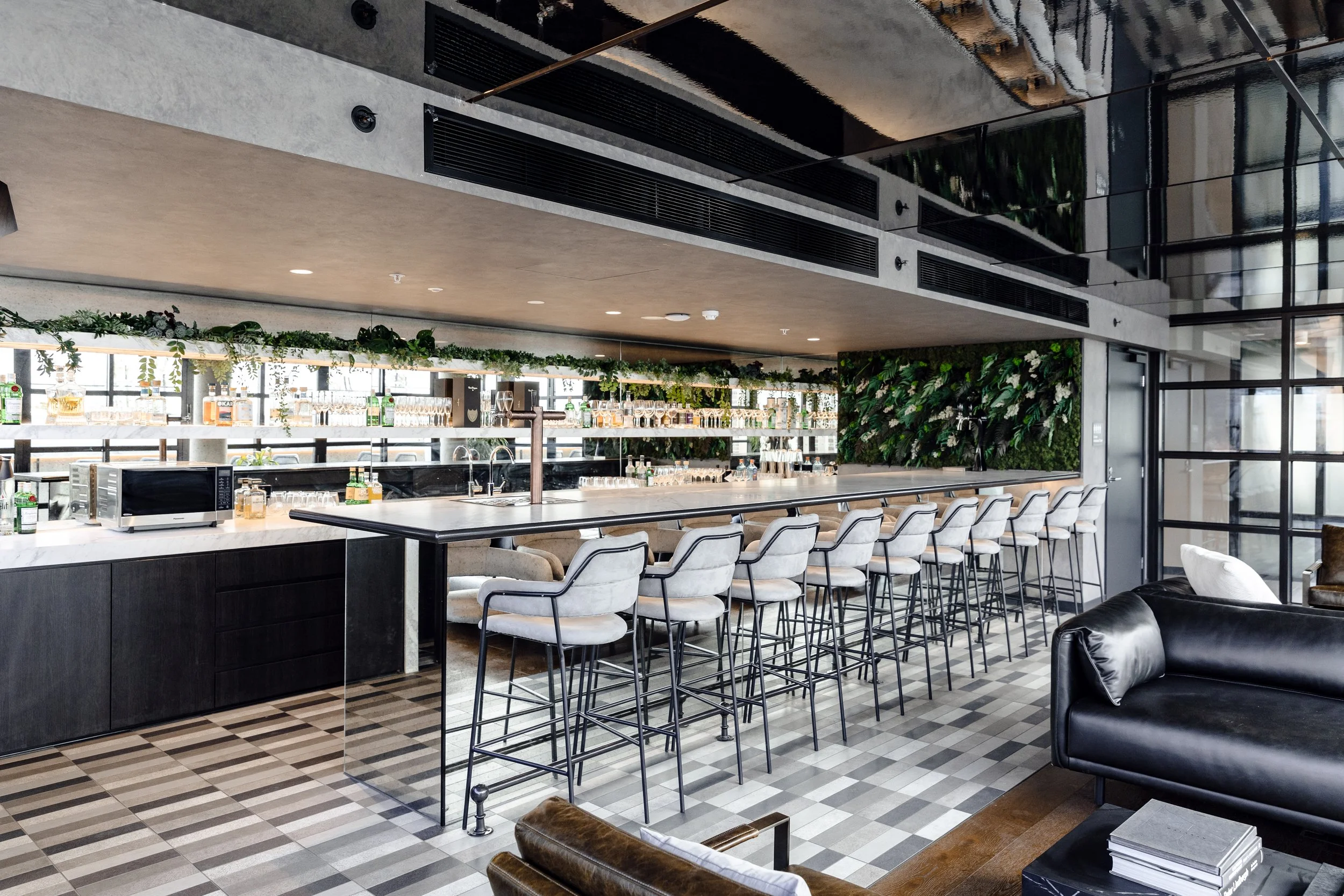
1. Manufacturing Capacity, Not Just Workshop Size
Ask directly: what is your production capacity, and how does it compare to what our project needs? A joiner who does excellent work but runs a small workshop may be the right fit for a single custom home and the wrong fit for a 60-unit development with a fixed handover date. Capacity isn't just about square metreage — it's about machinery, staffing, and whether your project would be competing with three others for the same production slots.
2. Lead Times You Can Actually Program Against
Custom joinery has genuine lead times — good joinery partners won't pretend otherwise. What matters is whether those lead times are communicated accurately and early enough to build into your master program, and whether they hold up under pressure. A partner who gives an optimistic lead time to win the job, then blows it out once they're engaged, is a program risk you're carrying, not them.
Ask for their standard lead time for your scope, and ask how that changes under a compressed program — and get it in writing.
3. Site Coordination Experience, Not Just Workshop Skill
Excellent joinery in a workshop doesn't automatically translate to smooth delivery on a live, multi-trade site. A partner experienced in large projects will understand:
Sequencing installation around other trades without causing clashes
Protecting finished joinery on an active site
Communicating delays or issues immediately, not at the next scheduled site meeting
Working within your site's safety and access requirements without needing to be managed like a first-timer
Ask for references specifically from projects of comparable scale — not just their best single-home project.
4. Compliance and Documentation
On larger projects, especially commercial or multi-residential builds, joinery needs to meet fire rating requirements, accessibility standards, and relevant Australian Standards depending on application. A partner who can produce compliance documentation as a matter of course — not scramble for it when asked — reduces your risk at handover and certification.
5. Quality Control Process
Ask how they check their own work before it reaches your site. A mature joinery partner should be able to describe a staged QC process — shop drawing sign-off, in-factory inspection, and pre-installation checks — rather than relying on a final look-over once it's installed. This matters more, not less, as unit count goes up, because errors caught late on a large project are expensive to fix at scale.
6. A Single Point of Contact
On a large project, you don't want to be chasing different people in the workshop for scheduling, quotes, and site issues. Ask who your day-to-day contact will be, and confirm they have the authority to make decisions — not just relay messages back to someone else.
7. Financial and Operational Stability
For large projects, it's reasonable to ask about the joinery company's capacity to deliver — how many similar-scale projects they're currently running, their standing with material suppliers, and their track record of completing large projects on program. A partner who's stretched thin across too many big jobs at once is a risk to your handover date, regardless of how good their work is.
The Bottom Line
The right joinery partner for a large-scale project isn't necessarily the one with the lowest quote — it's the one who can demonstrate capacity, program discipline, site experience, and quality control that matches the scale of what you're building. Ask these questions before you're locked in, not after joinery becomes the item holding up your handover.
If you're scoping joinery for an upcoming large residential or commercial project, we're happy to walk through our capacity, lead times, and process against your specific program.

📩 Contact us to request a joinery proposal or explore our past projects.
Thank you for reading - Digital Marketing Team